Qatar 2026: How Sustainable, High‑Tech Logistics Is Shaping the Gulf’s New Trade Hub

– 3 min read


The Gulf logistics industry is experiencing dramatic transformation, with Qatar rapidly stepping into a central, coordinating role. By 2026, logistics in the region has evolved beyond simply moving goods from point A to point B; it now focuses on doing so cleanly, intelligently, and at global scale. Qatar is not just keeping up with this shift, but actively shaping it through advanced infrastructure and strategic positioning.
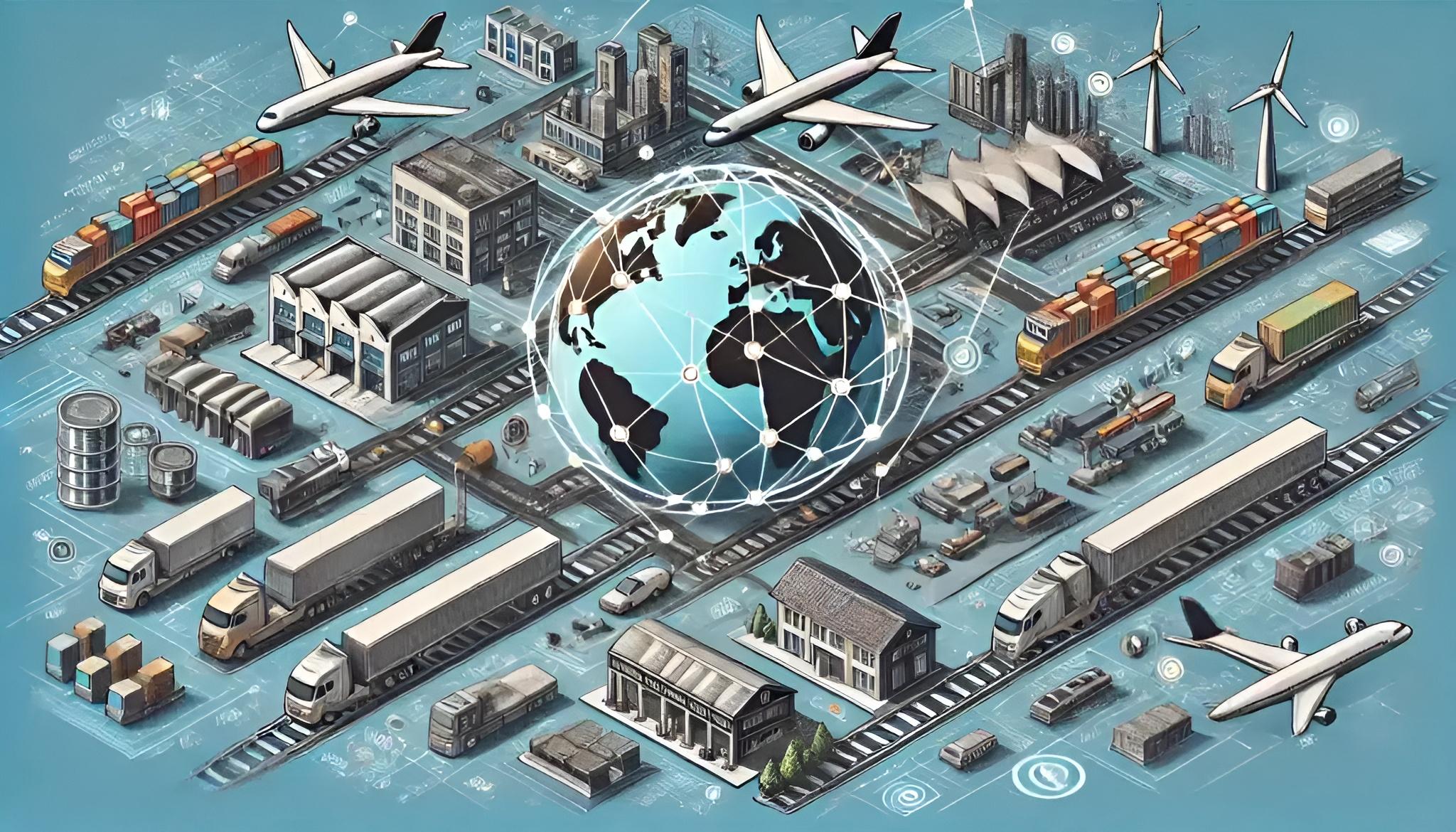
Qatar is emerging as a key hub in the Gulf's logistics network. Its modern ports, advanced airport facilities, and strong regional trade links allow it to act as a bridge between Asia, Europe, and Africa. What once might have been a small node on global trade routes is now evolving into a central crossroads, where cargo moves quickly, reliably, and with strong focus on environmental responsibility.
This shift is deliberate. Major logistics players based in Qatar, such as UnicornGulf, are building integrated sea, air, and land services that make it easier for global businesses to use Qatar as their main regional gateway. This strategic approach creates seamless connections across multiple transport modes.
Digital technology is quietly rewriting the rules of Gulf logistics. Instead of relying on manual paperwork and slow communication, Qatar's logistics operators embrace artificial intelligence, blockchain, and the Internet of Things. These tools transform supply chains into smart, predictive systems that can optimize routes, reduce waste, and improve delivery times.
UnicornGulf uses these technologies to provide paperless documentation, automated workflows, and live cargo tracking. For businesses, the result is less uncertainty and more control over their shipments, whether by sea, air, or road. Real-time visibility replaces guesswork with precise, trackable movements.
The Gulf's logistics revolution is both digital and environmental. In Qatar, sustainability has moved from marketing slogan to core business requirement. Companies now implement low-emission vehicle fleets, renewable energy for operations, and digital systems that eliminate waste at every step.
UnicornGulf's sea transportation services exemplify how shipping routes can be optimized to cut both cost and emissions simultaneously. Smart route planning, fuel-efficient vessels, and capacity management reduce environmental impact while maintaining speed and reliability. This approach makes sustainability a competitive advantage rather than a cost burden.
Trade sits at the heart of Qatar's economic story. Imports bring what the country needs; exports send what the world wants. Logistics is the invisible engine making this possible. Qatar's advanced infrastructure simplifies international trade through modern seaports handling huge container volumes, airports designed for fast cargo turnaround, and regional road networks linking everything together.
By creating smooth connections between ships, planes, and trucks, Qatar strengthens its position as a global trade hub. UnicornGulf combines air transportation services with sea and land logistics so cargo moves with minimal friction. This integrated approach reinforces Qatar's role as a serious global trade destination rather than a minor regional stopover.
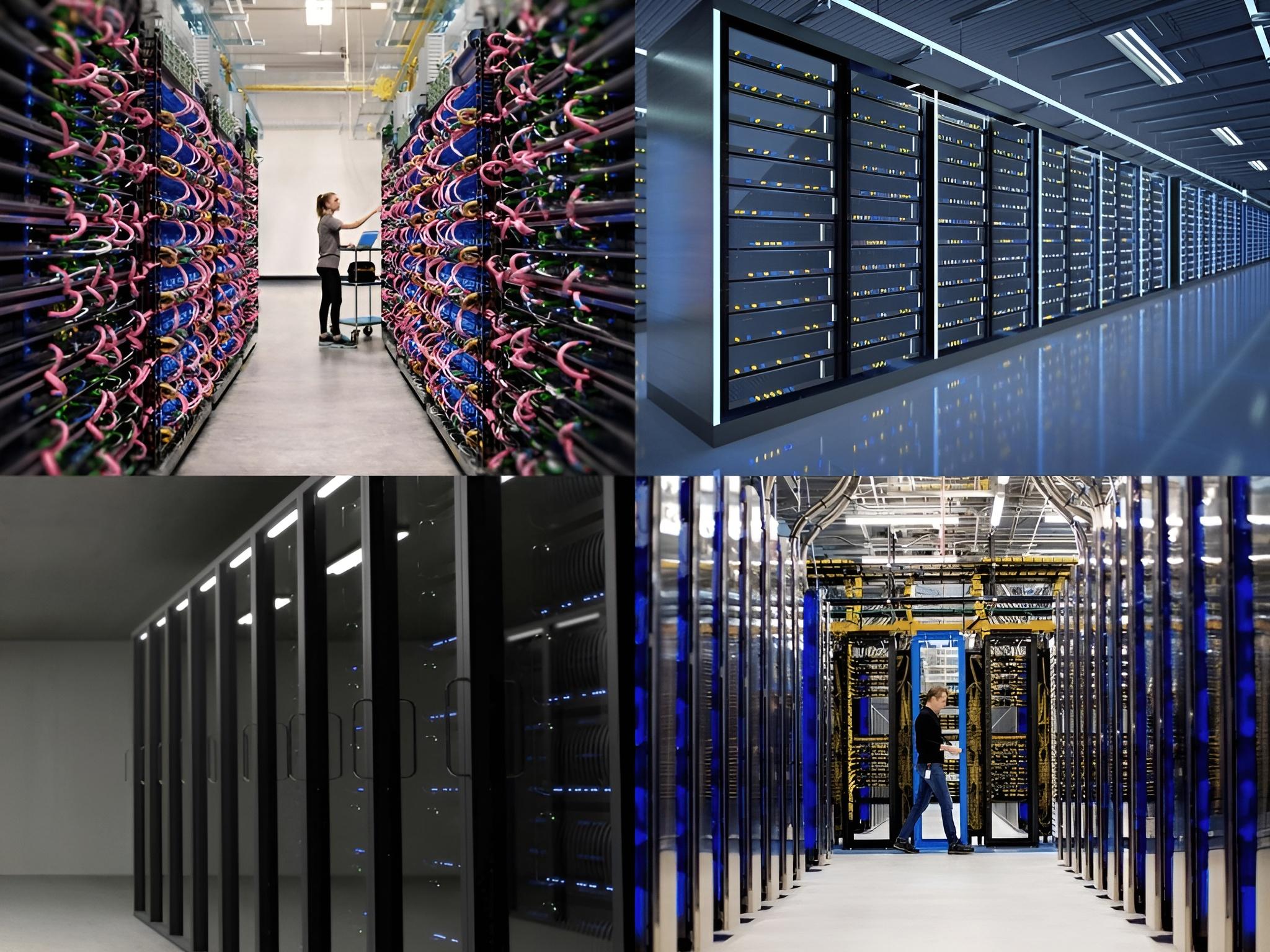
Artificial intelligence analyzes vast amounts of data in real-time to predict delays, optimize routes, and improve fuel efficiency. Blockchain creates tamper-proof digital records that everyone in the supply chain can trust, reducing bureaucracy and speeding cross-border movements. IoT sensors on containers and vehicles provide constant monitoring of location, temperature, and security status.
This technological foundation supports Qatar's vision of becoming a trusted, sustainable gateway for global commerce. Every container unloaded at a port, every pallet moved through an airport, and every truck crossing a border feeds into this wider vision of efficient, connected trade.
UnicornGulf positions itself as a truly integrated logistics partner, combining sea, air, and land services into one connected system. Rather than treating each transport mode separately, the company links them so goods move from ship to plane to truck with minimal delay and greater reliability.
The company's competitive advantage lies in weaving technology across all transport modes while treating sustainability as a practical design principle. This integrated model provides businesses with a unified logistics system that is fast, eco-friendly, and easy to manage, securing a strong position in Qatar's evolving logistics landscape.





Comments